Arri Phillips-Askew
17 February, 2026
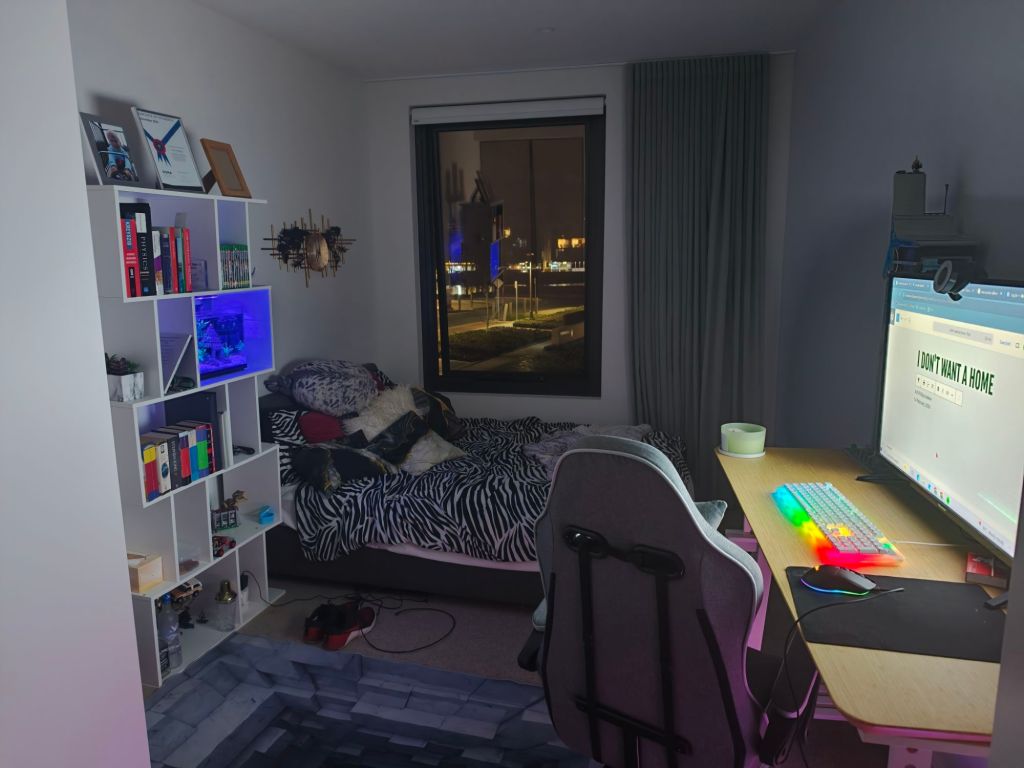
There is a common misconception that healing is a homecoming. A return to a version of ourselves that existed before the world left its marks. But lately, I have found that the most profound peace doesn’t come from finding a place to stay, but from finding the strength to leave. For a long time, I tried to build a home out of expectations and the validation of others, a stationary life that eventually became a cage of my own making. But you cannot find your stride if you are standing still, waiting for an explanation or a return to the status quo. I have realised that I don’t want a home that tethers me to my past versions or my previous pains. I want the movement. I want the lung-burn and the clarity of a high-rise view that looks toward tomorrow rather than down at yesterday. I no longer want to wait for a door to open.
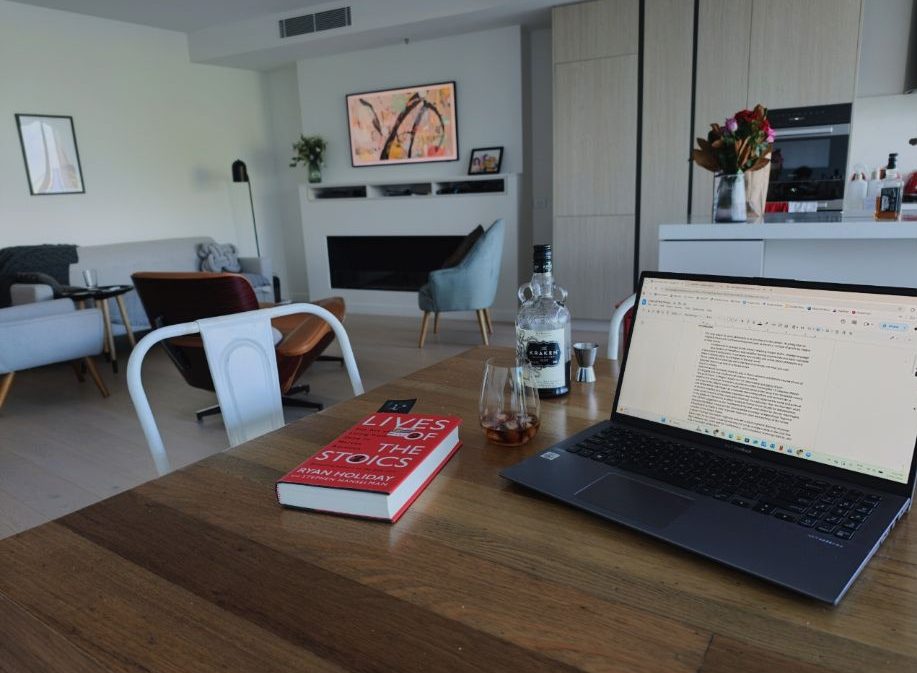
In the quiet of a high-rise, looking out over the grid of a city that once felt like a labyrinth, the silence is spacious, no longer heavy. There was a time when I thought stability was something gifted to me by the people I loved. I believed that if I could just find the right anchor, the storms of my own mind would settle. I was looking for a home in the arms of another person, a logic that eventually collapsed under its own weight.
But running, physically and emotionally, teaches you something that a textbook cannot. It teaches you that when the air gets thin and your heart is hammering against your ribs, you are the only one who can keep your legs moving. Stability is an internal tempo rather than external structure. I have learned to find a home in my own resilience. In the discipline and the clarity of a life built on self-reliance. I have realised that being handled is a far cry from being held, and I no longer require the former to deserve the latter.
To move forward is to acknowledge the scars without being defined by the wound. For a long time, the pain was a landmark I couldn’t stop visiting. I was looking for an apology or an explanation to act as a map out of the wilderness. But eventually, you realise that some maps are never coming, and the wilderness is only a prison if you stop walking.
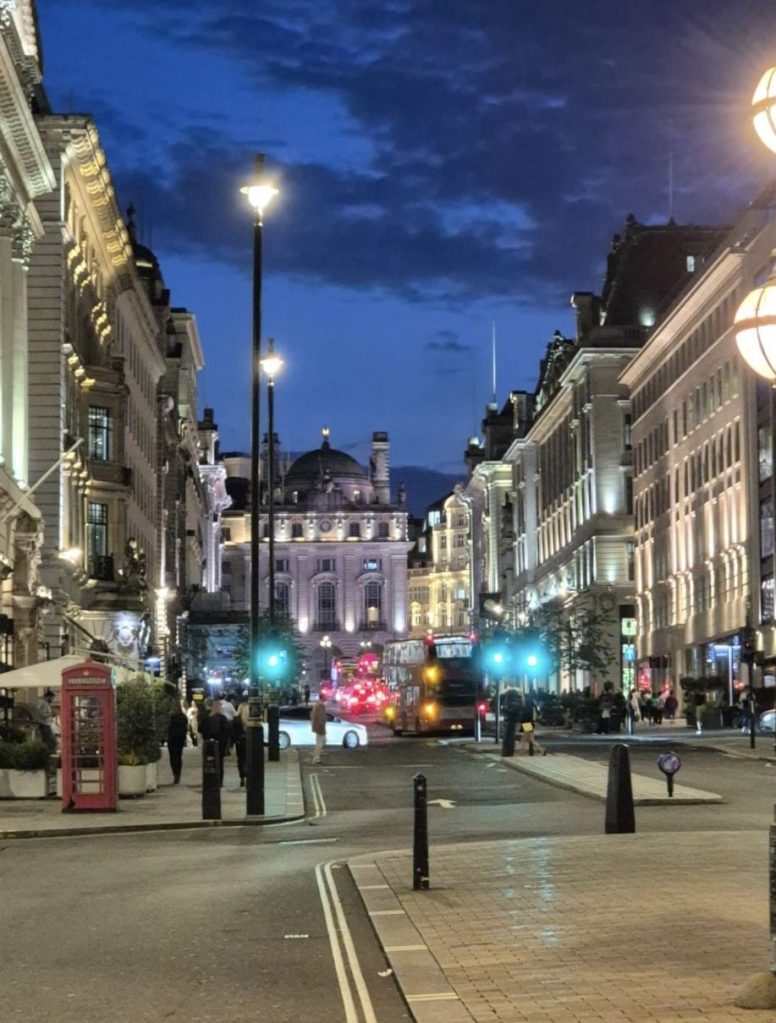
Forgiveness, I’ve found, isn’t a grand, cinematic moment of reconciliation. It is a quiet, solitary relocation of the heart. It is the moment you stop asking “Why?” and start asking “What’s next?” It is the realisation that the people who hurt us were often just as lost in the woods as we were, bound by their own fears and their own limited vocabularies for love. By letting go of the need for them to understand my pain, I freed them from the role of the abuser and freed myself from the role of the victim. Because I’m not a victim. I did not allow myself to be vulnerable to further psychological abuse and manipulation from someone who was also hurting; who did not realise this is what they were doing and who only did so to protect themself. I simply showed them that they no longer have power in my life, regardless of where their actions once put me.
I don’t want a home because a home implies a finish line. My life is now defined by a relentless, healthy escapism. Not running away from the past, but running past it. The air between me and my history is finally clear. There is no more static, no more unspoken weight, no more lingering shadows. I am traveling light. I am someone who has traded the heavy furniture of forever for the exhilarating freedom of now. To anyone who remembers me as the person standing still in the storm: know that the weather has changed, and I am miles away by now, chasing a horizon that I finally have the strength to reach.

The hardest part of forgiving someone who doesn’t want to be forgiven is accepting that you’re not in the wrong for still forgiving them. You weren’t in the wrong when you crossed their boundaries looking for answers they refused to give you. You weren’t in the wrong for being obsessive, or for being angry, or for being the crazy ex. When you are hurt, it is your instinctual and moral responsibility to respond to that very pain. It is in your every right and responsibility to demand respect that others refuse to give you when you feel there is no other option, and it is your moral responsibility to battle against a society which accepts avoidance, manipulation, and psychological abuse by disguising it as emotional maturity.
And so, I stop apologising. I stop looking back at that ‘crazy ex’ in the mirror and I start seeing someone who fought for their own dignity when no one else would. My forgiveness is no longer a request for anyone else’s permission; it is my final act of rebellion against a logic that tried to freeze me in place.
The world often mistakes silence for strength and distance for healing. We are taught that the one who walks away first wins, and the one who stays to fight for the truth is unstable. But there is no maturity in a silence that is used as a weapon, and there is no logic in an avoidance that leaves a human being in a hospital bed while you curate a life elsewhere. True emotional maturity is the ability to stand in the wreckage and say: I was here. I felt this. And I deserved better. By reclaiming the right to my own reaction, the safety of our past dynamic has shifted. It is no longer a safety born of my silence or my compliance. It is a safety born of my total autonomy. I am no longer a variable in someone else’s equation; I am my own constant. I have realised that for someone to be comfortable with me again, I don’t need them to apologise for my pain. I need them to witness the fact that I have outgrown the need for their acknowledgment.
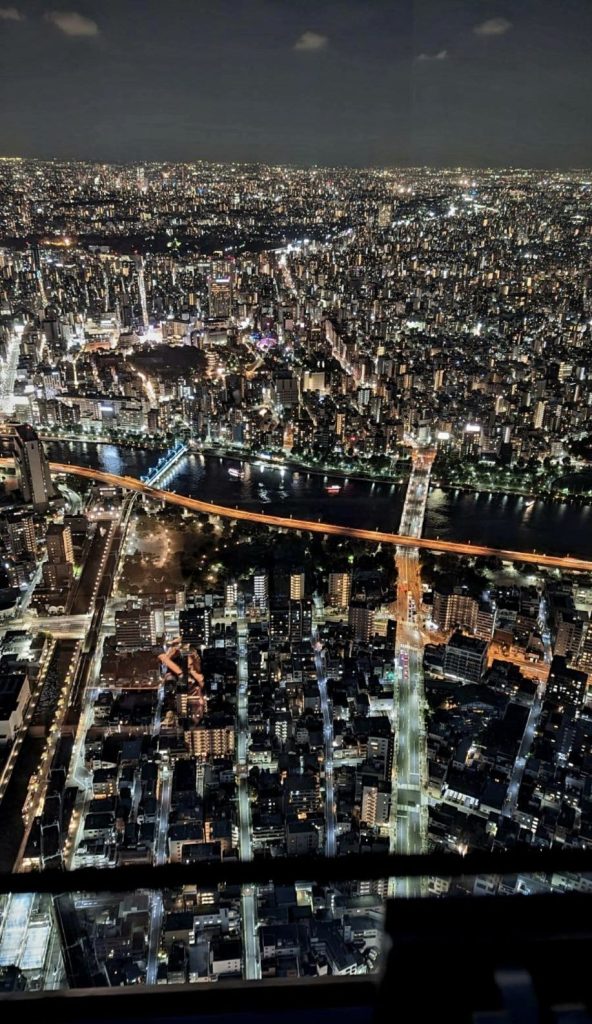
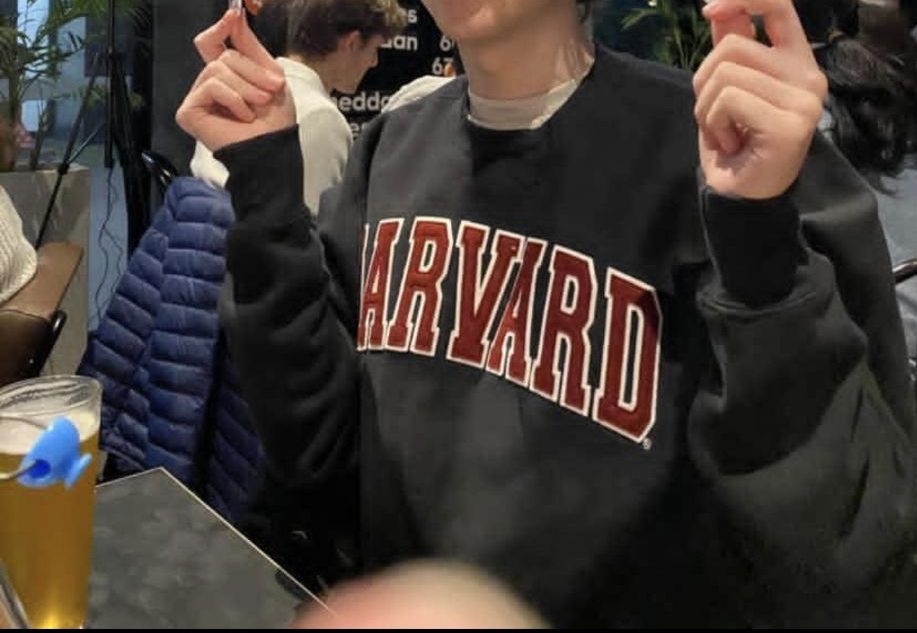
For a while I travelled around the world because I felt an obligation to prove that I could. I travelled to places that looked good on my Instagram account rather than travelling to places I actually wanted to go to. Over time drinking and smoking felt less like an escape and more of something fun to do on a weekend. Even doing courses at more prestigious universities like Harvard was more just to impress others rather than because it was something I was genuinely interested in. Writing articles became less about putting my name out there and more about my love for writing. Maintaining my physical health through dieting, running 10km a day and then doing a hundred pushups and going to the gym every day became less about how I would look on social media and more about pushing my own limits and loving my body. Being involved in politics and journalism was less about making my LinkedIn profile look shiny and more about the desire to help the people who needed it. Dating new people was less about making my ex jealous and more about finding genuine human connections.
I am moving into a phase of life where “home” is a verb. It is the act of waking up to meet the pavement. It is the sound of my own voice in a boardroom or a subbranch meeting, speaking for those who haven’t yet found their own maps. It is the view of my apartment that reminds me, every single night, that I am the architect of my own sanctuary.
I don’t want a home that requires me to be small so that someone else can feel large. I don’t want a home that is built on the shaky ground of clinical detachment.
To the person I was a year ago: You were not too much. You were simply in a room too small to hold your light. To the person who left: You are forgiven, not because you asked for it, but because I am too busy running toward my future to carry the weight of your choices any longer. And I mean this in the most loving way possible. Your happiness is as much a priority to me as my own, and I only ever wish that you will find everything it is that you’re looking for. You don’t need to be a ghost and use a burner account to view or be a part of my life. The progress I’ve made today wouldn’t have been possible without the pain that you brought me.
The road is open. The air is clear. And for the first time in my life, I am finally, truly, moving forward.
 THE ASKEW VIEW
Leave a comment